How a Root Canal Is Performed Using Laser Dentistry
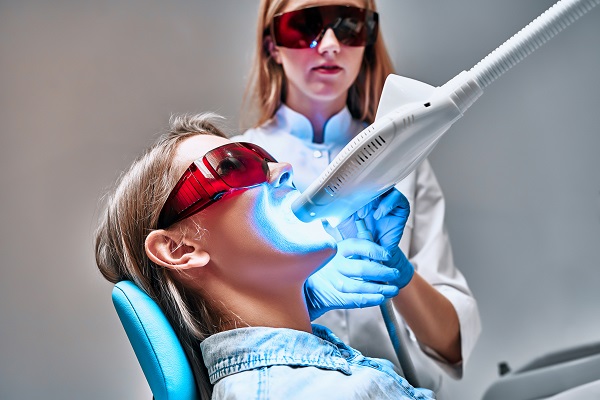
Want to learn more about laser dentistry? This advanced dental technology is one that utilizes special dental lasers to address a number of dental procedures. One of the more common procedures dental lasers can be used for is for root canal therapy reasons, as well as crown lengthening and treating gum disease.
Why root canals are necessary
A root canal is necessary when a dental patient experiences some type of infection within their tooth. This infection needs to be removed as soon as possible in order to save the tooth. Traditional root canal treatment includes using anesthesia and dental drills, while modern root canal treatment can include using dental lasers.
According to the Academy of Laser Dentistry, today there are dozens of indications for use with various dental laser devices; and the clinical applications continue to increase, making the laser one of dentistry’s most exciting advances with unique patient benefits.
How laser dentistry is used to perform root canals
Soft tissue lasers offer dental patients a few advantages. Using dental lasers means that patients can experience less bleeding during and after their root canal, less swelling that, in turn, often means less pain and the ability to heal in a faster timeframe.
Lasers first remove infected tissue
Dental lasers use a special beam of light in order to remove any infected tissue within a patient's tooth. Lasers are very useful during root canal procedures because they are very precise and therefore allow dental professionals the ability to very accurately treat the infected tooth. The fact that lasers eliminate any bacteria within the tooth means that the tooth is also being sterilized.
Filling the tooth
After laser treatment, the tooth is filled using one of the many different types of dental filling material options available. Dental patients need to choose the type of material they want before their root canal appointment. Some of the more common filling choices include porcelain, gold and amalgam. Dental fillings can last anywhere from 10 to 30 years, depending on the type of material chosen.
Using lasers means less discomfort
Patients who undergo dental laser treatment in order to address their root canal problems will often experience less discomfort or pain that is often associated with undergoing a root canal procedure. Some dental patients may even experience no pain at all. While it does depend on each individual patient when it comes to how much discomfort or pain they may experience, if any, it simply depends on each patient's particular situation.
Root canals save teeth
Is laser dentistry the right choice for you? Root canals are necessary dental procedures that save teeth, which is important because our teeth are designed to last a lifetime. Once a tooth is lost, it needs to be replaced in order to retain one’s good oral health. Since root canal therapy is a necessary procedure under certain situations, those who are in need of this dental procedure can now choose a dental professional who offers laser dentistry treatments.
Are you considering laser dentistry in the Castle Rock area? Get more information at https://www.foundersdental.com.
Recent Posts
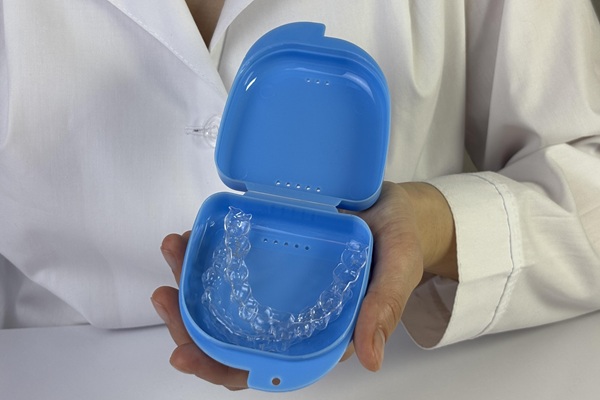
When patients start thinking about clear aligners, their first question is almost always about how long treatment may take. Whether you are preparing for a milestone in your life or want to feel better about your smile, the projected timeline is often a deciding factor. Understanding how a dental professional plans care can help you…
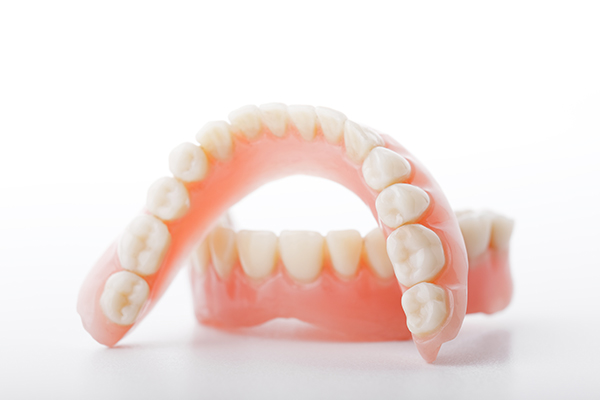
When it comes to oral care, it is just as important to clean dentures as it is natural teeth. After all, both can develop many of the same problems like plaque buildup and staining. At the same time, dentures require a little bit of special care.One thing some people worry about has to do with…
There is a lot to like about dentures if you have experienced significant tooth loss. This apparatus not only looks a lot like natural teeth, but it allows you to eat normally once again.You could be a good candidate for this treatment. Your dentist will help you decide whether it is right for you. In…
After getting dentures, you might wonder if you should sleep with them in your mouth or not. While it is possible to sleep with them, taking them out has several advantages.For example, it allows you to clean them better. Keep reading to learn more about why you should take your dentures out before sleep.The dentures…