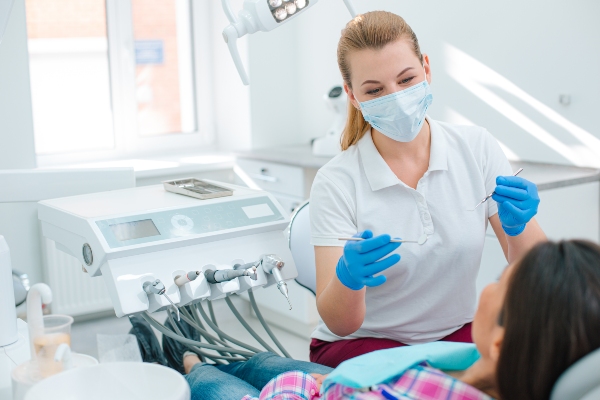
If you have severe dental pain, an infection, or an injury, seeing an emergency dentist can give you immediate relief. However, following the recommended care instructions after professional treatment is important to ensure proper healing and avoid potential complications. Following these post-treatment guidelines can lead to a smoother recovery and better overall oral health.
Manage pain and swelling
Following a visit to an emergency dentist, some discomfort or swelling may persist, depending on the patient's specific issue and treatment. Over-the-counter pain relievers, such as ibuprofen or acetaminophen, can help manage pain effectively. Applying a cold compress to the affected area for 15-minute intervals can also reduce swelling and discomfort. It is important to carefully follow any prescribed medication or antibiotic instructions and avoid exceeding recommended dosages.
Maintain oral hygiene
Keeping the mouth clean can help prevent post-treatment infections and boost healing. Patients should continue to brush and floss their teeth and gums with extra caution around the treatment area. A soft-bristled toothbrush and gentle motions can help prevent irritation. Rinsing with warm salt water several times a day can aid in reducing accumulated bacteria and discomfort. In some cases, the dentist may prescribe a special type of mouthwash that the patient should use as directed.
Follow dietary recommendations
Consuming soft foods in the initial days after treatment can prevent irritation and promote healing. The following foods are gentle on sensitive teeth and gums:
- Applesauce
- Mashed potatoes
- Yogurt
- Scrambled eggs
- Cottage cheese
- Steamed or boiled vegetables
Further, patients should avoid extremely hot, cold, spicy, or crunchy foods, as they may cause discomfort or damage to the treated areas. It is also important to stay hydrated, but drinking through a straw should be avoided if advised, especially after procedures such as tooth extractions.
Watch for complications
While most treatments from an emergency dentist offer a smooth recovery, it is important to watch for signs of complications. Some of these symptoms include:
- Excessive bleeding
- Prolonged severe pain
- Fever
- Presence of pus
- Nerve damage
If these issues are present, patients should consult an emergency dentist immediately to help prevent worsening conditions and long-term complications.
Attend follow-up appointments
In some cases, patients may need to schedule follow-up visits with a dentist to assess their healing progress and address any concerns. For example, if they needed sutures, a follow-up appointment might be required to remove them.
Patients should complete ongoing treatments, such as root canals or crown placements, as recommended to avoid further dental issues. Missing scheduled visits may result in insufficient recovery or additional oral health complications.
Avoid harmful habits
Smoking and alcohol consumption can hinder the healing process after receiving treatment from an emergency dentist. Tobacco products can delay tissue repair and increase the risk of infection. Meanwhile, alcohol may interfere with prescribed medications and antibiotics. Additionally, patients should avoid chewing on hard objects, such as ice or pens, to avoid damaging their teeth.
Call our office for more tips
After an emergency dental visit, it is important to take proper precautions to aid your long-term recovery and oral health. Following the above guidelines, you can help maintain comfort, prevent potential complications, and support overall dental well-being. Call our office for more tips or to schedule a consultation.
Request an appointment or call Founders Dental at 303-954-0767 for an appointment in our Castle Rock office.
Recent Posts
An emergency dentist provides urgent care for individuals experiencing sudden dental issues that require immediate attention. Understanding what qualifies as a dental emergency can help patients determine when to seek professional help. While some dental problems may seem urgent, others can be addressed with routine care. Whether due to a sudden injury, severe pain, or…
A damaged tooth can be uncomfortable and make eating difficult, but quick treatment can restore function and appearance. An emergency dentist is a general dentist who offers fast, effective care to address urgent dental concerns. Their goal is to protect the tooth and prevent further complications. Whether caused by an accident, infection, or another unexpected…
An emergency dentist can provide fast and effective treatment for urgent dental issues. Whether a tooth is cracked, knocked out, or severely chipped, immediate care can be vital in helping to prevent further complications. Ignoring a dental injury can lead to pain, infection, or even permanent tooth loss. Therefore, knowing when to seek an emergency…