Clear Aligners Timeline: How Long Treatment Takes, and Why It Varies
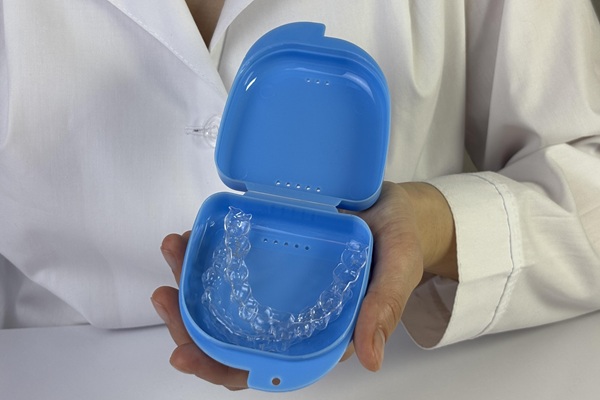
When patients start thinking about clear aligners, their first question is almost always about how long treatment may take. Whether you are preparing for a milestone in your life or want to feel better about your smile, the projected timeline is often a deciding factor. Understanding how a dental professional plans care can help you decide whether to get clear aligners.
What to expect from clear aligners: The typical treatment timeline
On average, clear aligners require a time commitment of six to 18 months. In the most complex cases, it may take about two years to straighten the teeth completely. Regardless of the exact timeline, many patients find it helpful to think of the treatment with aligners in specific phases. Each part of the process is necessary for a lasting result:
- The planning phase. The dentist uses digital imaging and a bite analysis to create a roadmap for the teeth.
- The active phase. The patient wears a series of aligner trays, usually changing them every one to two weeks, to move the teeth into the correct positions.
- The refinement phase. After the initial series of trays is finished, the dentist may order a few extra fine-tuning aligners to address any stubborn spots.
- The retention phase. Once the teeth are straight, treatment is considered complete, and the patient receives a retainer to maintain the results.
The active phase is when the most visible change occurs, but the refinement and retention phases are what ensure the smile stays looking its best for years to come.
What determines how long treatment will take?
How much the teeth need to move directly determines how many aligner trays the patient needs and, thus, how long treatment will take. A general or cosmetic dentist can close simple gaps with a small series of clear aligners. However, teeth that are rotated or turned sideways require steady, controlled pressure over a longer series of trays. This is particularly true for the canines and premolars, which have longer roots and take more effort to shift. Similarly, vertical movements, in which the tooth moves slightly higher or lower in the gum tissue, also take longer.
Note that bite correction usually adds the most time to a treatment plan. This is because it involves adjusting how the jaw functions, a more complex process than simply straightening the teeth visible when smiling. A dentist can discuss how specific movements affect one's treatment time in greater detail.
Attachments: what they are and how they influence treatment
Attachments are a common part of clear aligner treatment. These are tiny, tooth-colored bumps made of composite resin that are bonded to the surface of the teeth. They act as handles, giving the clear aligners something to grip so they can move the teeth more predictably. While they might feel slightly bumpy at first, they are discreet and play a major role in keeping the treatment time as short as possible.
In addition, the dentist may recommend using small elastics with the aligners to help correct the bite. Just as the trays themselves require consistency and discipline to work, these elastics do as well. When the patient uses these tools exactly as directed, they help prevent tracking errors and keep the treatment moving forward at a steady pace.
Other factors that can affect treatment time
Tooth position has one of the biggest impacts on treatment time, but it is not the only factor. For example, the way the upper and lower arches meet is just as important. While crowding in the front can be addressed quickly, correcting a deep bite or a crossbite takes extra time. This extended timeline is due to the dentist needing to move the teeth in a way that keeps the patient's jaw comfortable and functional.
Age and responsibility level can also change expected treatment times. While both adolescent and adult patients can use clear aligners, the way the body responds to the pressure of the trays can vary from person to person. The patient must also wear the aligners as directed — about 20 to 22 hours a day — to stay on track with treatment. Wearing them inconsistently only extends treatment time.
Oral health also has a role in successful clear aligner therapy. Healthy teeth can be straightened according to plan, without interruption from oral health problems. However, gum inflammation can slow down the movement of the teeth. It may even pause treatment so that the patient can undergo gum disease treatment to keep the smile stable. When the gums and teeth stay healthy throughout treatment, clear aligners can be as effective as possible.
Get a clear picture of the treatment timeline
Are you interested in straightening your teeth with clear aligners? The Founders Dental team understands that it is a time commitment. Learn how long it may take during a consultation with our team. Call our Castle Rock office today to get started.
Request an appointment here: https://www.foundersdental.com or call Founders Dental at (720) 893-7362 for an appointment in our Castle Rock office.
Check out what others are saying about our dental services on Yelp: Clear Aligners in Castle Rock, CO.
Recent Posts
For a nicer smile, clear aligners could be the right solution for you. There are other methods of straightening teeth and repairing alignment issues, but aligners have advantages. There are benefits to using aligners that other treatments cannot provide. Your dentist can answer questions and concerns you may have. It is good to understand how…
Teeth straightening with clear aligners allows patients to get a straighter smile without having their smile compromised by metal wires and brackets. These appliances allow people to discreetly straighten their teeth, without having to worry about their appearance.Treatment with clear aligners is done using a series of aligner sets that are each worn for two…
If you are thinking about getting clear aligners to straighten your teeth, it is helpful to first understand how they work. Many adults have had success with this solution and how it can restore smiles. There are benefits and drawbacks to this treatment. Your dentist can help you decide whether this option makes sense for…
People choose dentures to replace teeth for many reasons. If you have lost teeth or if the dentist has extracted some of yours, there are effective solutions to fill in the gaps in your mouth.You should not have to live with the embarrassment or difficulties of not having teeth. While there are various options to…