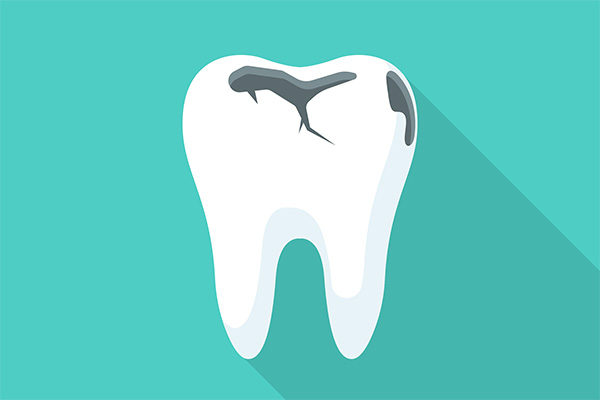
Dental professionals use a root canal treatment to stop tooth decay from getting worse and treat the effects of tooth decay. While reversing tooth decay is not possible, root canal treatment can often restore the appearance, shape, and overall health of a tooth that is damaged by a severe cavity.
The basics of root canal treatment for tooth decay
While minor cavities may only need a routine dental filling, more severe forms of tooth decay may require root canal treatment to avoid extraction. The following is an overview of root canal treatment and details how it can save a decayed tooth from needing an extraction or causing other oral (and general) health concerns.
Root canal treatment explained
Root canal treatment is a dental procedure that involves removing the decayed or diseased portion of a tooth’s root and then filling and sealing the tooth. A dental crown is often placed over the tooth for added protection and for cosmetic reasons. A root canal is most often used to treat tooth infections, dental abscesses, severe tooth decay, and broken teeth. The procedure prolongs the life of the tooth and helps prevent any additional concerns from developing, such as increased discomfort or tooth infections that have the potential to spread.
Root canal treatment for severe tooth decay
Minor tooth decay can be treated through less invasive means (see below). However, if the cavity becomes larger, then a filling may not be adequate. This is particularly the case if the decay extends to the root of the tooth. In this case, root canal therapy is necessary to remove the decayed portion of the tooth, clean and disinfect the deeper layers of the tooth, and fill it.
Root canal treatment vs. dental filling
For minor instances of tooth decay, all the patient may require is a dental filling. This is a less invasive procedure, but it can only adequately fill small cavities. It is also less of a long-term solution, as well. For more severe cases of tooth decay, a root canal treatment is necessary to clean the deeply decayed portions of the tooth and ensure the tooth is adequately filled and protected in the long term.
Root canal treatment vs. tooth extraction
For severe, deep tooth decay, dentists do everything they possibly can to save the tooth. However, if the decay is too advanced, then tooth extraction may be the best option, followed by the replacement of the tooth with a dental implant, fixed bridge, or partial denture. However, in many cases, a root canal treatment procedure can prevent a highly vulnerable tooth from becoming lost.
Schedule a root canal consultation to learn more
If you have a broken tooth and would like to explore root canal treatment, you can start with a simple consultation visit during which we can determine what all treatment options are available to you and explain the root canal treatment process in greater detail. Get in touch today by calling us or sending us a message to schedule a visit.
Request an appointment or call Founders Dental at 720-893-7362 for an appointment in our Castle Rock office.
Recent Posts
When it comes to preserving a damaged or decayed tooth, patients often hear about two common options: a root canal or a filling. Understanding the difference between the two can help clarify why a general dentist chooses a specific approach based on the condition of the tooth. While both aim to restore function and prevent…
A root canal is an important treatment to save a tooth that might otherwise be lost to damage or infection. When a tooth infection occurs, the symptoms can be severe and upsetting, especially if they start in the middle of the night. It is advisable to promptly seek treatment for a decaying, infected, or damaged…
Root canal treatment is often the best (or only) way to deal with an abscessed tooth that results from a tooth infection. This review discusses the role root canal treatment plays in treating an abscessed tooth and what you can expect throughout the diagnostic and treatment processes.An abscessed tooth can affect one’s ability to function…