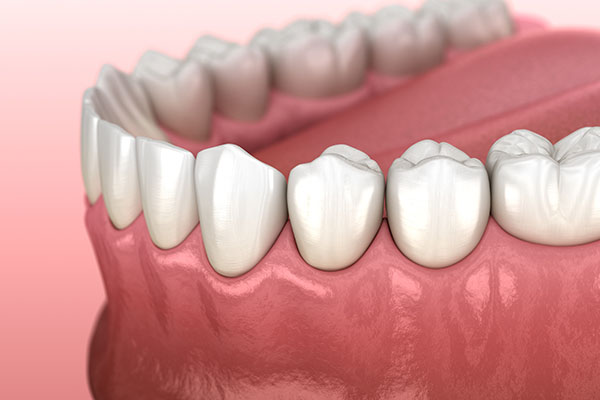
 When people experience bleeding gums while brushing, they might not believe there is much cause for alarm because it is a common problem. However, this bleeding may indicate a growing gumline infection that could lead to serious complications and have a negative impact on oral health. Those who experience this issue can reverse or even prevent gum infections by understanding the causes and symptoms, and taking steps to create a healthy oral care plan.
What causes a gum infection?
A gumline infection starts with the buildup of plaque in the mouth. Plaque is caused by food particles that mix with the bacteria already present in saliva. It tends to form at and below the gumline. When brushing and flossing are not performed consistently, plaque hardens and turns to tartar, a hard substance that cannot be removed by daily brushing. The longer tartar sits at the gumline, the more damage it can do, and the symptoms of infection are likely to increase.
Signs of gumline infection
One of the most common signs of a developing gum infection is bleeding. This may occur intermittently at first and then happen each time individuals brush. Other symptoms often develop as the infection increases:
- Swollen or reddish gums
- Chronic bad breath
- Increased spaces between the teeth
- Pain while chewing
How can a gumline infection be prevented?
Bleeding in the gums may increase if the infection goes untreated, but there are several ways individuals can prevent this issue and improve oral health.
Regular dental cleanings
Visiting a dentist regularly for cleanings and checkups can prevent gum disease. Cleanings remove tartar at the gumline and reduce the risk of inflammation. A dentist can also educate patients about how to improve brushing techniques, what type of brush to use, and how to floss properly to prevent bleeding gums. The more patients know about how to care for the gums, the lower the risk of developing an infection.
Consistent care at home
Those with the early stages of gum disease can reverse the process with a consistent daily oral care schedule of brushing two or three times a day and flossing after dinner. A dentist may also recommend an anti-bacterial mouthwash for patients battling gum disease and those who suffer from chronic illnesses and take medications that may cause dry mouth. Patients can set a timer for two to three minutes per brushing session and monitor their gums to ensure the regimen is working.
Lifestyle changes
Eating a healthy diet that includes nutrients and vitamins that support healthy teeth and bones, such as vitamins C, A, and K, can improve oral health. Individuals who smoke or use other tobacco products should seek support for quitting, and those who eat and drink sugary snacks and sodas can reduce the risk of gum disease by switching to fruits, vegetables, and sparkling water.
Conclusion
Bleeding gums are usually a sign of infection and not something to be ignored. Monitoring oral health at home and visiting a dentist at least a few times a year can keep periodontal disease at bay and ensure healthy gums at any age.
Request an appointment or call Founders Dental at 303-954-0767 for an appointment in our Castle Rock office.
Recent Posts
Effective gum disease treatment helps restore health by reducing harmful bacteria and protecting the bone that supports teeth. Without timely care, simple irritation can deepen into hidden pockets that trap debris below the gumline. Understanding the different stages, modern therapies, and smart prevention strategies makes a lifetime of dental stability much more achievable.Gingivitis is the…
Gum disease treatment remains a cornerstone in modern dentistry and aims to preserve healthy gums, teeth, and underlying bone structure. This comprehensive approach protects oral health and prevents tooth loss by addressing plaque buildup and inflammation. Gum disease develops when plaque bacteria irritate the gum tissues, creating redness, swelling, and, if unchecked, progressive damage to…
Gum disease treatment plays a crucial role in maintaining oral health and preventing long-term dental complications. Dentists provide comprehensive care to address the symptoms of gum disease and restore gum tissue to optimal health. Here are five key benefits of seeking gum disease treatment from a professional dentist.Gum disease, particularly in its advanced stages, is…