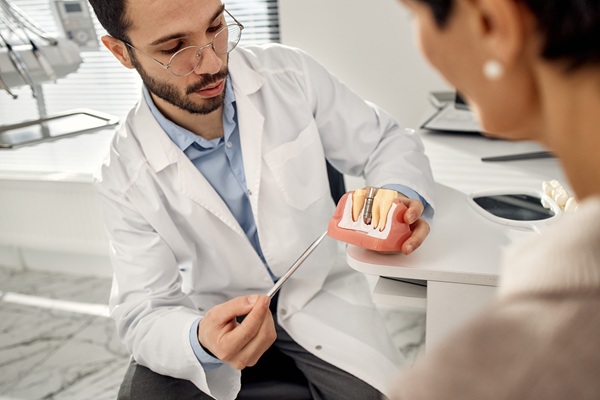
Dental implants can replace missing teeth, restore chewing strength, and provide support for a natural-looking smile. For optimal results, an endodontist or root canal specialist can carefully plan and place implants. After all, successful treatment outcomes begin with clear education about what to expect at every step, as well as proper care and maintenance afterward. With the right plan, dental implants can protect smile function and harmony for many years.
When dental implants are a good option
Dental implants are titanium posts that replace missing tooth roots and serve as a foundation for dental crowns, dental bridges, or permanent dentures. This natural-looking smile restoration is often a strong choice when a tooth is already missing, when a tooth is beyond saving despite conservative care, or when a removable denture feels too unstable. Crowns are ideal for single-tooth replacements; bridges for multiple teeth missing in a row; and permanent dentures for smiles missing most or all natural teeth.
7 things to know about dental implants
Patients considering dental implants can make an informed decision by learning more about this popular smile restoration option. Here are seven things to know before getting implants:
Dental implant planning is precise
Precision matters when planning for dental implants. Many endodontists and root canal specialists use 3D imaging and models to map bone anatomy, nerves, and sinus spaces. Surgical guides transfer that plan to the mouth so the implant follows ideal angulation and depth. The provider then designs the prosthesis to match the bite, protect the implant from overloading, and maintain healthy gums around the replacement tooth or teeth.
Materials and designs vary
Titanium and zirconia are commonly used materials in dental implants. One-piece and two-piece systems, as well as various surface textures, are selected based on the patient's anatomy and treatment goals. Titanium systems are the most popular because they have an established clinical history, proven strength, and compatibility with the jawbone. However, dental teams may recommend zirconia as a completely metal-free option that blends well with thin or translucent gum tissues. The dental team selects the system that best aligns with bone quality, gum thickness, smile line, and the number of missing teeth.
What makes for a good candidate
A thorough risk assessment improves planning. Bruxism (teeth grinding), a deep bite, or a history of gum disease may require protective strategies, such as a nightguard or staged periodontal therapy. Nearby teeth that have undergone root canal treatment may benefit from evaluation by a root canal specialist or endodontist to confirm that no lingering infection threatens the implant site. When risks are identified early, the care plan can incorporate safeguards that protect the healing process and maintain function.
Healthy gums and a strong jawbone support predictable healing after dental implant surgery. Non-smokers and patients with no pre-existing conditions, or at least controlled conditions, tend to experience fewer complications. Good oral hygiene habits and consistent dental visits keep the smile and implant sites clean. This promotes healing and prevents gum disease around the implants.
Qualifying procedures are an option
Patients who do not immediately qualify for dental implants can often improve their eligibility. For example, if bone height or width is insufficient, bone grafting procedures can rebuild the foundation needed for dental implants. Socket preservation at the time of extraction helps maintain ridge shape, while sinus lifts and ridge augmentations can create space and stability for implants in the upper and lower jaws. Similarly, gum grafting can build up the gum tissue so the final restoration is better supported.
Home care and rest are essential
Healing begins with simple habits. After surgery, rest, cold compresses, and prescribed medications help control swelling and discomfort. Gently brushing around the surgical area and using an antimicrobial rinse, if recommended, helps keep the tissues clean without disturbing the early healing process. Avoiding smoking and limiting strenuous activity during the initial days helps maintain good blood flow and reduces the risk of infection.
Expect temporary dietary changes
Short-term dietary adjustments protect the implant site during osseointegration. Choose soft foods that require minimal chewing and favor cool or room-temperature options. Avoid very hot, hard, or sticky items until the surgical area stabilizes. As the mouth heals, patients can gradually reintroduce a greater variety of foods.
How to care for dental implants in the long term
The long-term success of dental implants depends on consistent maintenance, including professional dental cleanings and exams every three to six months to monitor gums, bone levels, and implant components with implant-safe instruments. Daily home care, including thorough brushing and interdental cleaning, reduces inflammation and maintains a tight gum seal around the final restoration. Fortunately, caring for implants in the long term is essentially the same as caring for natural teeth.
Learn more about dental implants
Dental implants are an effective tooth replacement for many patients. Digital diagnostics, thoughtful material choices, and supportive procedures — like bone or gum grafting, as needed — help create a natural-looking smile restoration. Learn more during an appointment with our Castle Rock team.
Request an appointment here: https://www.foundersdental.com or call Founders Dental at (720) 893-7362 for an appointment in our Castle Rock office.
Check out what others are saying about our dental services on Yelp: Dental Implants in Castle Rock, CO.
Recent Posts
Dental implants can restore missing teeth with a stable, natural-looking solution and are often the recommended choice when early warning signs appear in the mouth. Many people assume tooth replacement can wait, especially when only one tooth is missing or when discomfort seems mild. However, delays can allow shifting, bone loss, and bite changes that…
Seeing an emergency dentist as soon as possible is crucial when dealing with sudden dental pain, trauma, or an urgent oral health issue. Taking the right steps before the appointment can help minimize discomfort, prevent further damage, and ensure a smoother treatment process. Here are five important things to do before visiting an emergency dentist.Understanding…
An emergency dentist frequently observes patients arriving with serious dental pain or infections that develop when consistent oral care and timely checkups are overlooked. Following a few simple yet effective preventative strategies makes many urgent dental problems less likely to occur. Here are three oral hygiene tips that help protect teeth and gums, reducing the…
Traveling presents many exciting opportunities, but an unexpected dental emergency can quickly disrupt plans. Finding an emergency dentist in an unfamiliar location requires prompt action to prevent further complications. Whether experiencing severe pain, a broken tooth, or another urgent issue, knowing how to seek immediate dental care while vacationing promotes better oral health outcomes. It…