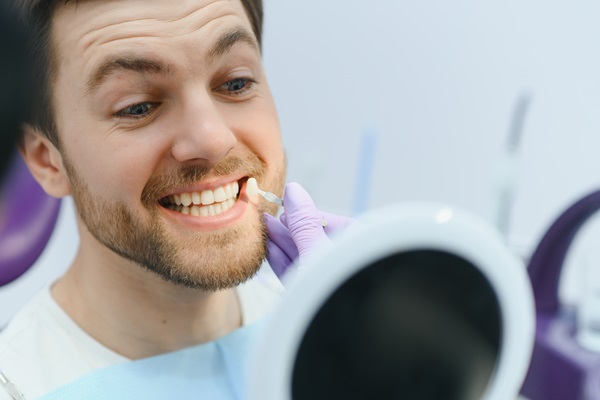
Having a beautiful smile is often an important part of a person's self-confidence. For dentistry patients, the dental bonding procedure may be used to quickly help restore smiles and fix a variety of issues with the teeth. The procedure can help to repair teeth that are decayed, damaged, and chipped, as well as improve the appearance of discolored and misshapen teeth.
This treatment option is a simple and cost-effective procedure that involves creating a tooth-colored shell, typically comprised of resin, and molding it into the proper shape. A special light is then used to help harden and bond the shell to the surface of the tooth, and the dentist will shape and polish the tooth to ensure it matches the rest of the teeth. Dental bonding can usually be completed in one visit within 30 minutes to an hour. Patients with minor dental issues can quickly restore their smiles with bonding.
Myths surrounding dental bonding
There are many myths regarding dental bonding that may possibly cause patients to reconsider the treatment, but they are not true. The following are three of the most common misconceptions about the procedure.
1. Dental bonding is temporary
Many people believe that the results from dental bonding do not last long and they will need constant touch-ups or replacements. However, with proper oral hygiene and routine dental visits, the results can last for at least 10 years before possibly needing to be replaced. Many patients still do not need replacements even 15 years later.
2. Everyone is eligible
Another common myth is that everyone is eligible to have the dental bonding procedure. While a good majority of patients can have the treatment, some may not be good candidates for bonding. For example, patients with severe tooth damage and decay may need another treatment option instead. Patients who are considering the procedure will need a thorough dental examination to determine if they are a good candidate.
3. Dental bonding requires special aftercare
Some patients may feel hesitant at the prospect of dental bonding due to the myth that taking care of bonded teeth requires a great deal of care. Teeth do not require any special care after the bonding procedure, but patients should exercise extra care to ensure the material used for bonding does not chip. Chewing on ice or hard and sticky foods could potentially cause chips on treated teeth. Otherwise, patients only need to follow their usual oral hygiene routines of brushing twice a day, flossing once per day, and receiving bi-annual dental cleanings. Maintaining good oral health is all that is needed after the bonding procedure.
FAQs
If your dental professional has recommended dental bonding, you may have questions about the procedure.
1. What types of problems does dental bonding take care of?
Bonding is an excellent way to repair minor tooth problems. It is used most often to repair discolored or chipped teeth. A discolored tooth might not be more than a cosmetic issue; however, it can be vital to your self-confidence. Bonding is a simple way to restore your smile.
A chipped tooth is relatively minor, but it is a big deal when it is in your mouth. A chipped tooth can be painful, have sharp edges, and hinder your eating correctly. Bonding can repair a tooth chip quickly and straightforwardly, allowing you to return to eating normally while fixing any cosmetic issues.
2. Is dental bonding affordable?
Your dentist can perform the bonding procedure in the office. You probably do not require any special services. Because the process is so quick — usually 30-60 minutes — you will not need a lengthy visit. All of these factors help keep down the cost of dental bonding.
3. Does dental bonding come with risks?
The bonding material is not as strong as your natural teeth. Therefore, you may crack or chip the bonding material if you have habits such as biting your nails or chewing on ice. It is a good idea to work on getting rid of potentially damaging habits before you go through a dental bonding procedure. Once you have beat the patterns, talk to your dental professionals and let them know you are ready for the bonding procedure.
Conclusion
Dental bonding is a procedure that is used to help improve the appearance and functionality of teeth. While there are common myths surrounding it, the bonding procedure is a long-lasting treatment that is simple and can quickly repair many issues, giving patients smiles they can feel confident in again.
Request an appointment here: https://www.foundersdental.com or call Founders Dental at (720) 893-7362 for an appointment in our Castle Rock office.
Check out what others are saying about our dental services on Yelp: Dental Bonding in Castle Rock, CO.
Recent Posts
People choose dentures to replace teeth for many reasons. If you have lost teeth or if the dentist has extracted some of yours, there are effective solutions to fill in the gaps in your mouth.You should not have to live with the embarrassment or difficulties of not having teeth. While there are various options to…
A root canal can save a severely damaged tooth. However, a sizable portion of the tooth will likely be gone afterward. The good news is that a restorative dentist can rebuild the treated tooth with a dental crown. While not always a requirement after root canal therapy, these restorations are often the final step in…
In some form, dentures have been around for centuries. This type of artificial teeth has helped countless people feel good about their appearance and eat most foods again.If you have missing teeth or no teeth at all, talk to your dentist about this option. You can learn what this process entails and how it can…
People who wear dentures typically have the same complaints. Although the types of dentures made today are fantastic compared to those from years ago, issues can still arise.The biggest concerns are slippage, discomfort, poor fit, and bad breath. The bad breath problem is often how others know when a person is wearing dentures.Along with big…